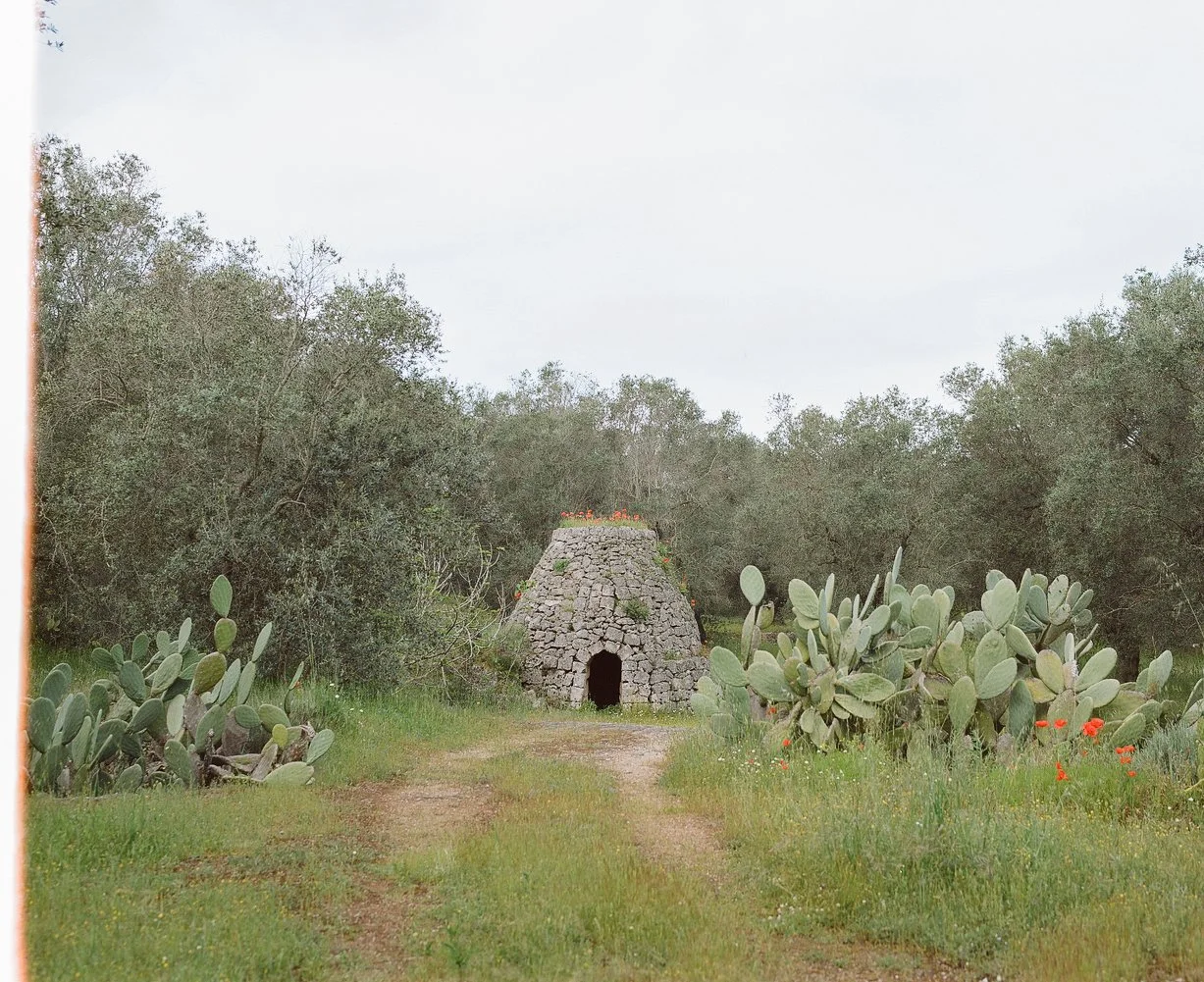
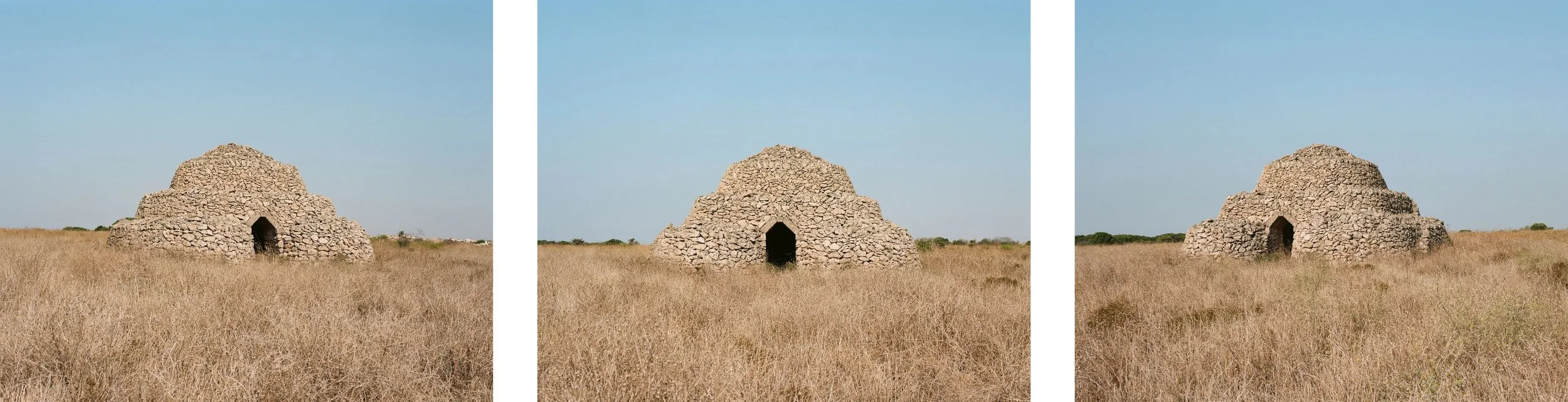
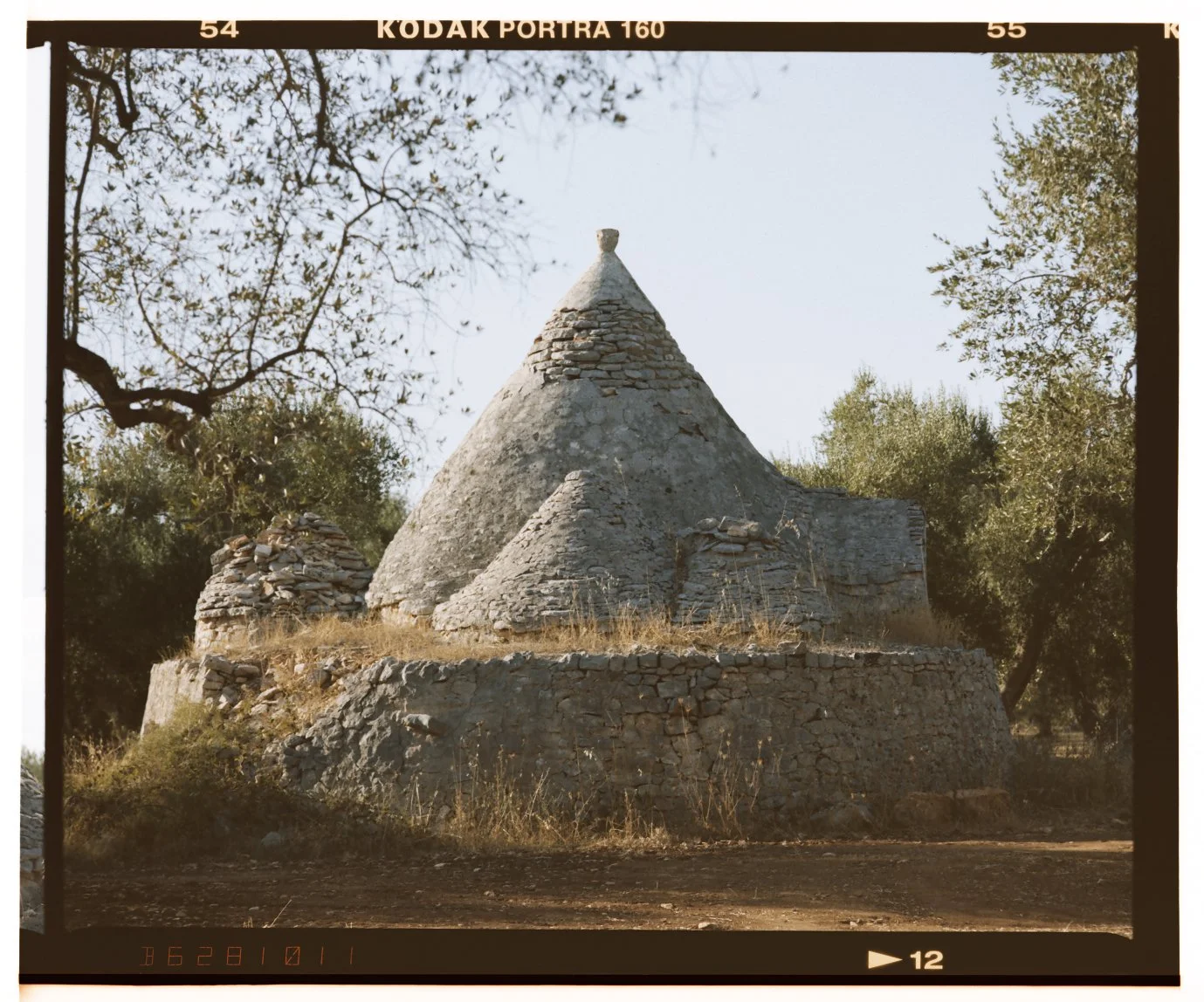
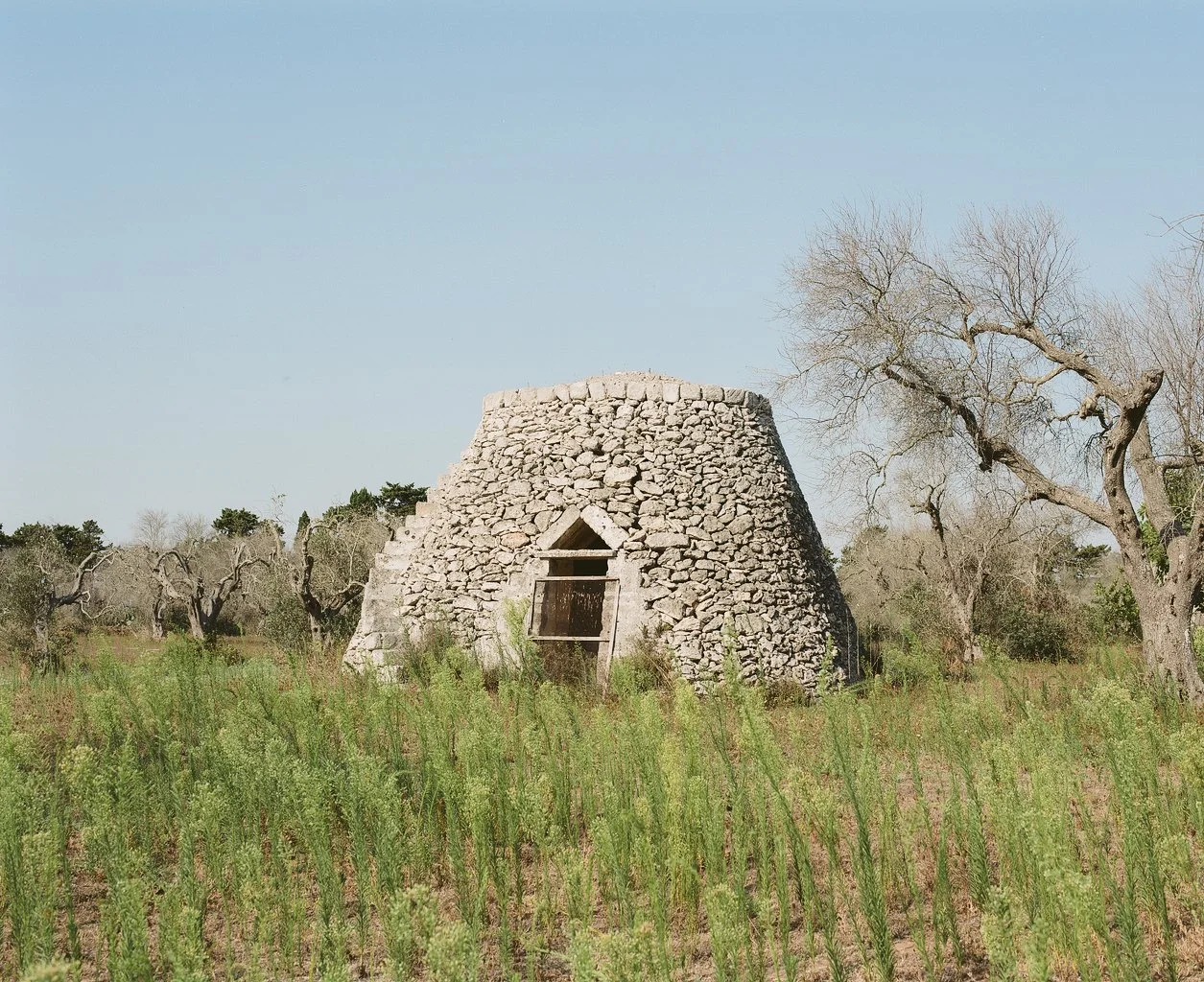
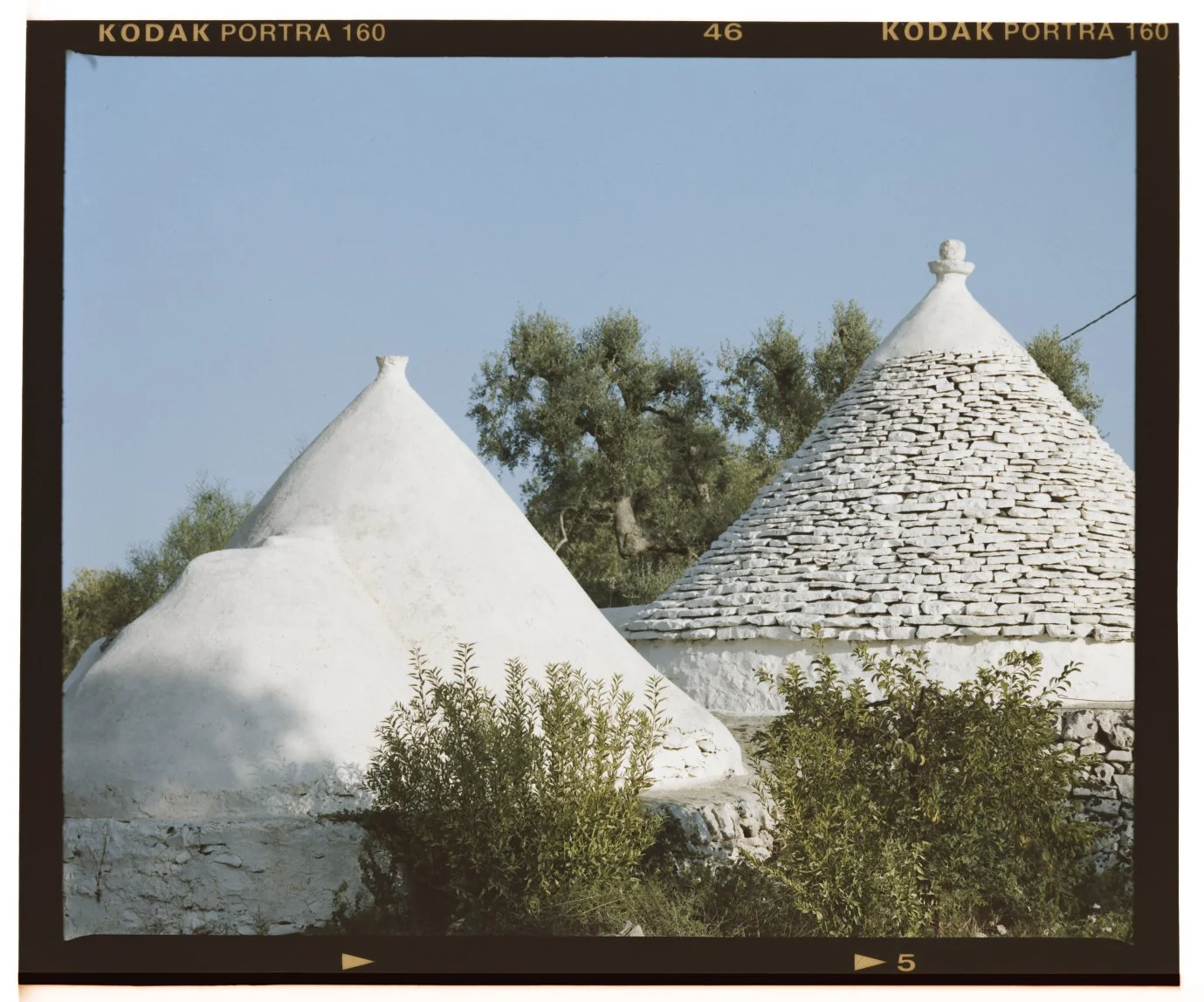
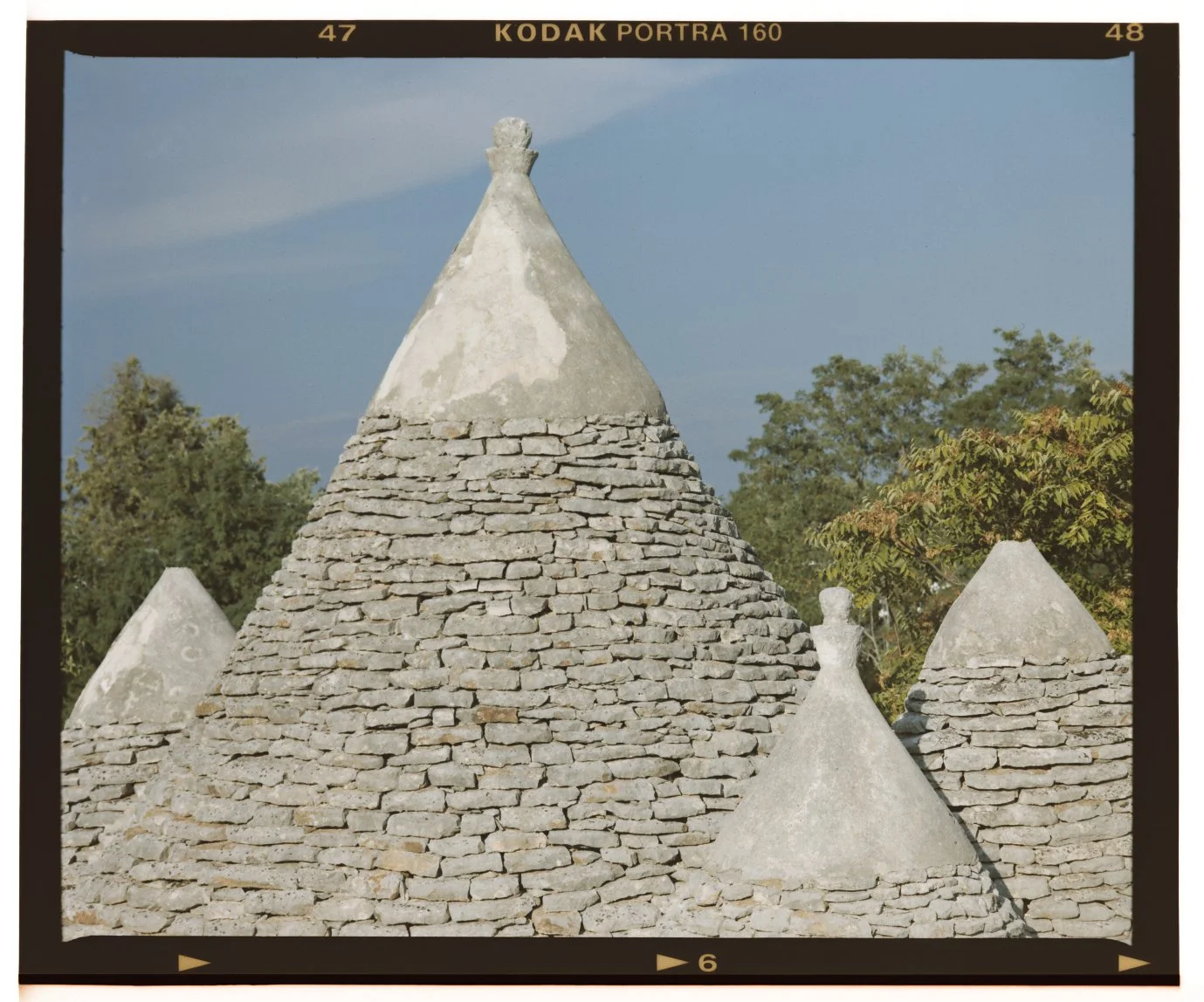
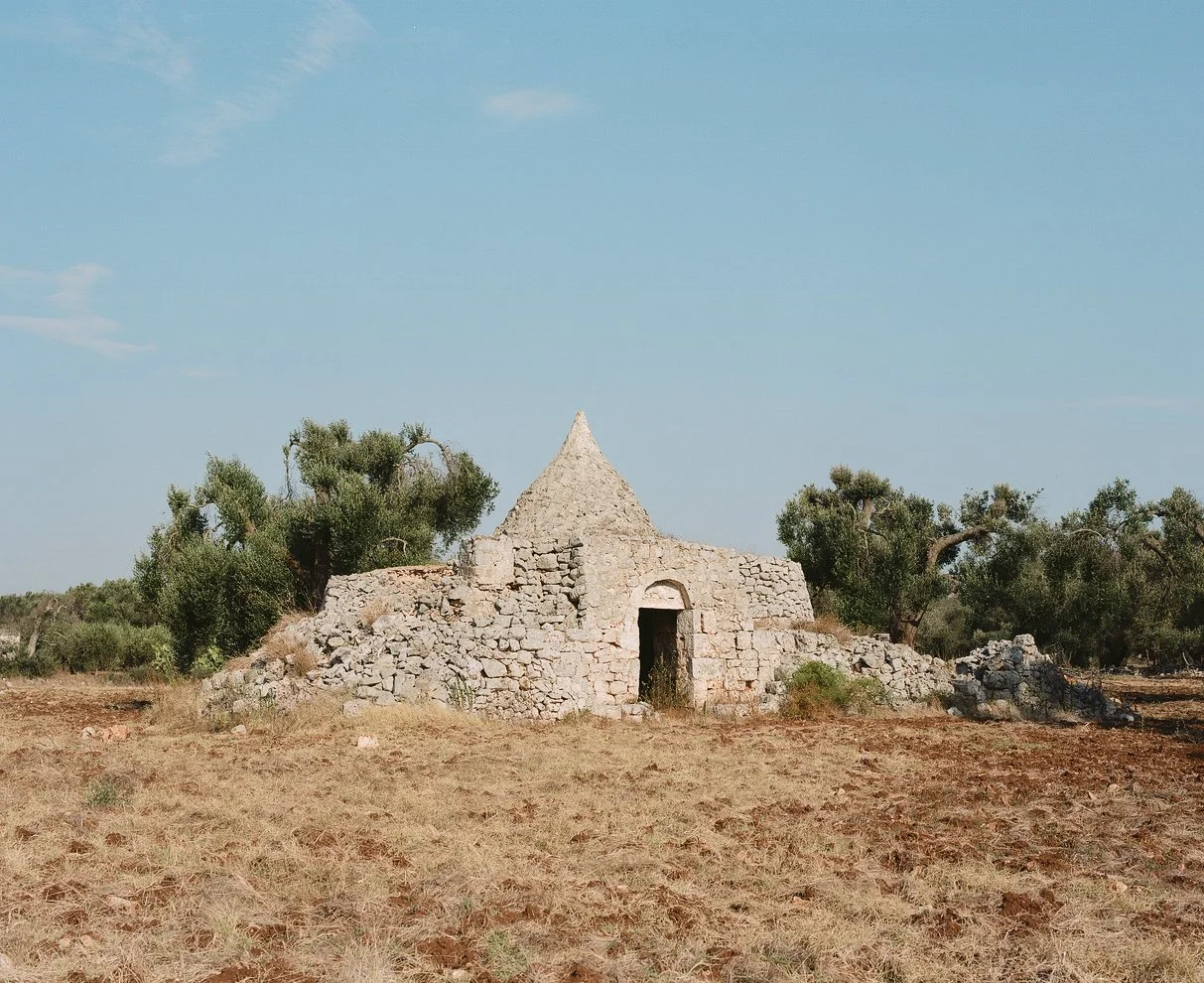
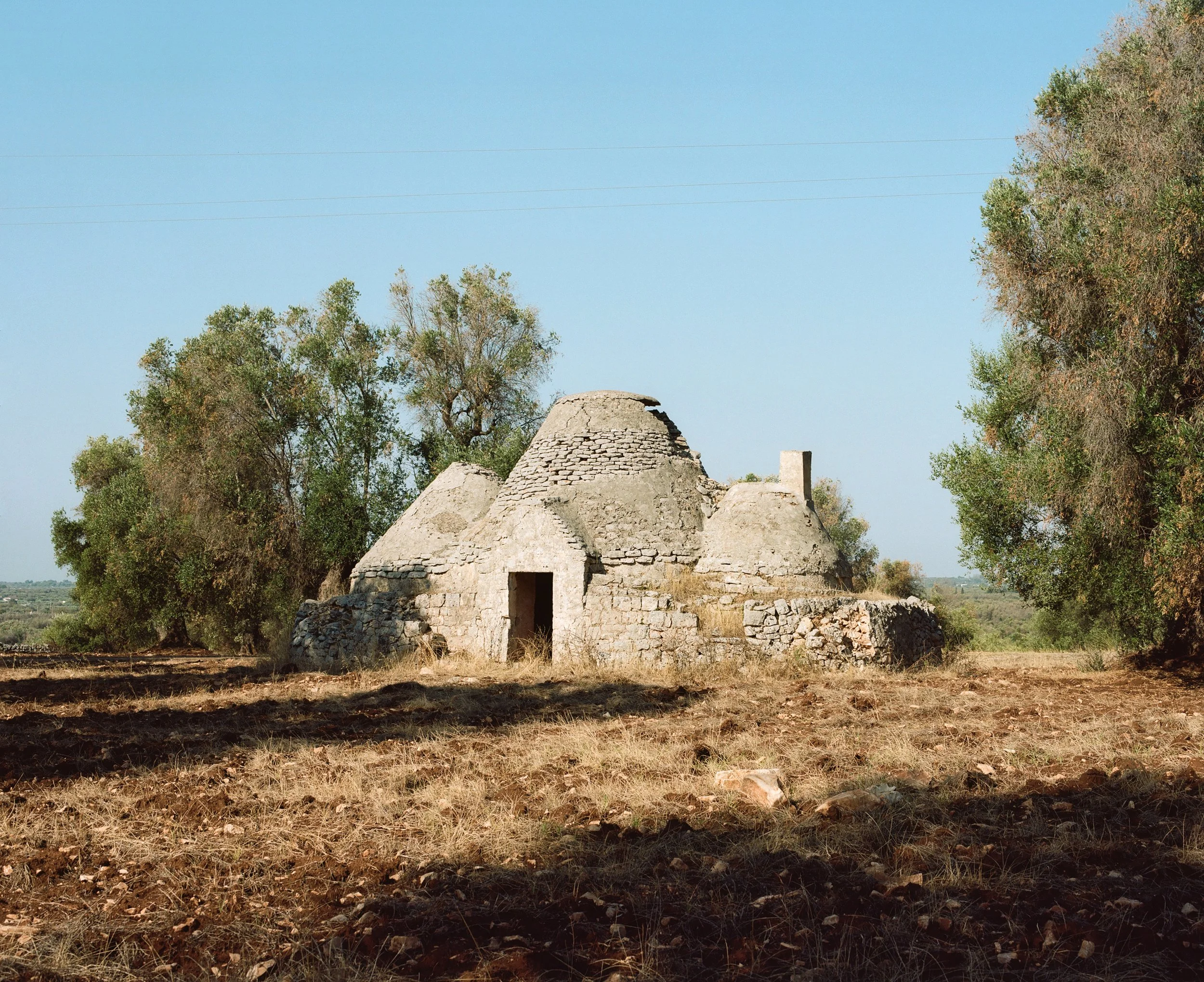
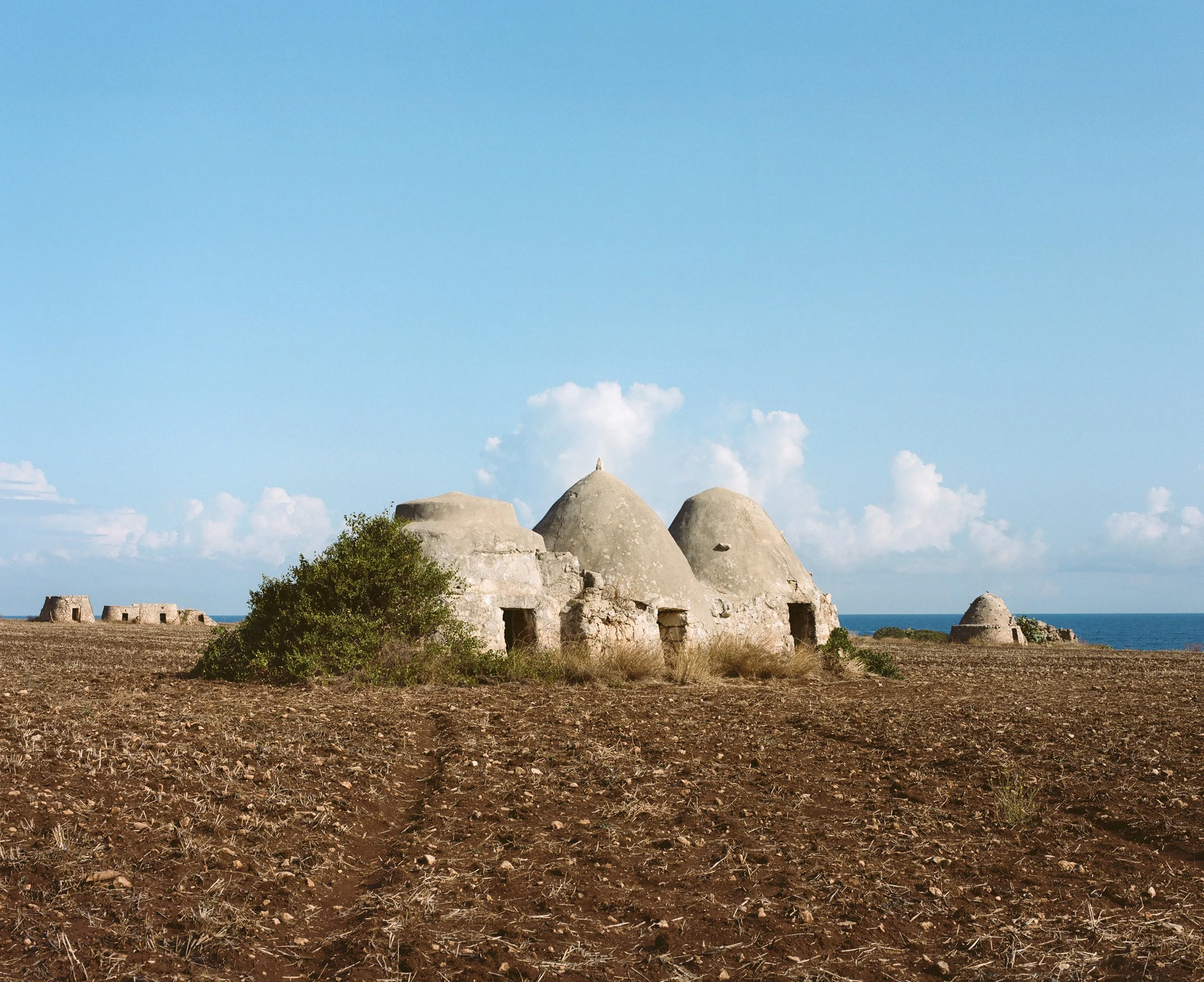
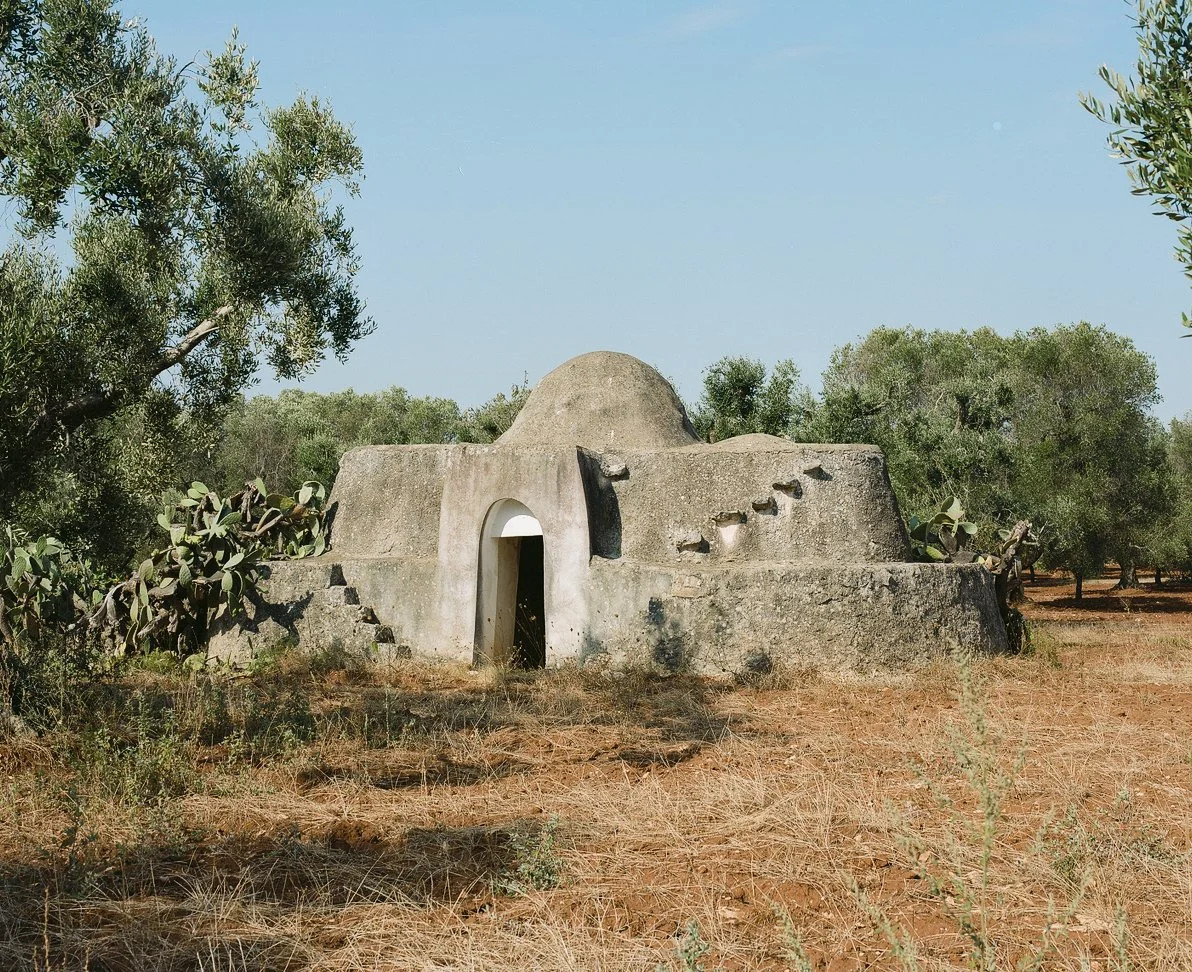
Studio sull’Architettura Rurale (2021-ongoing).
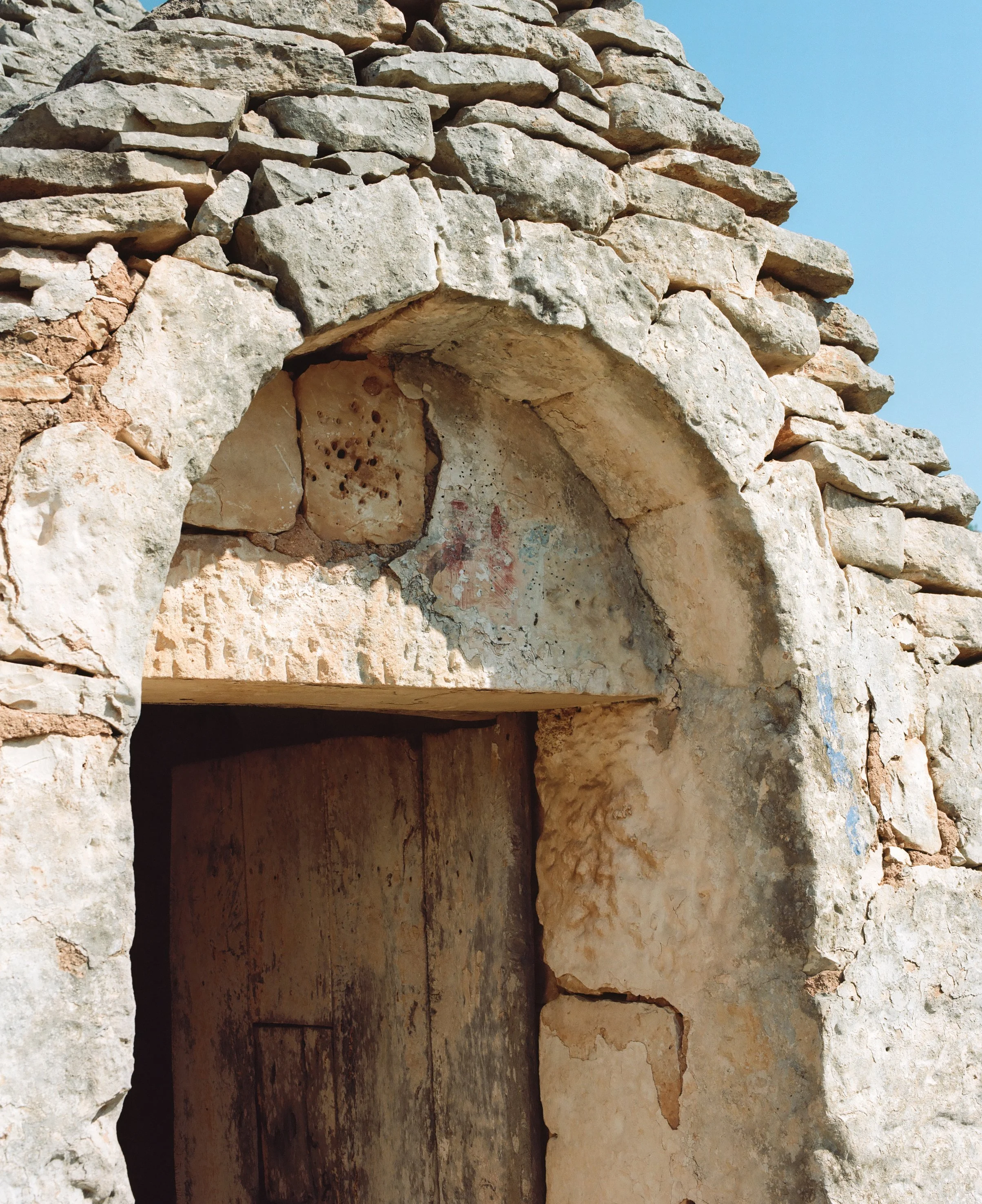
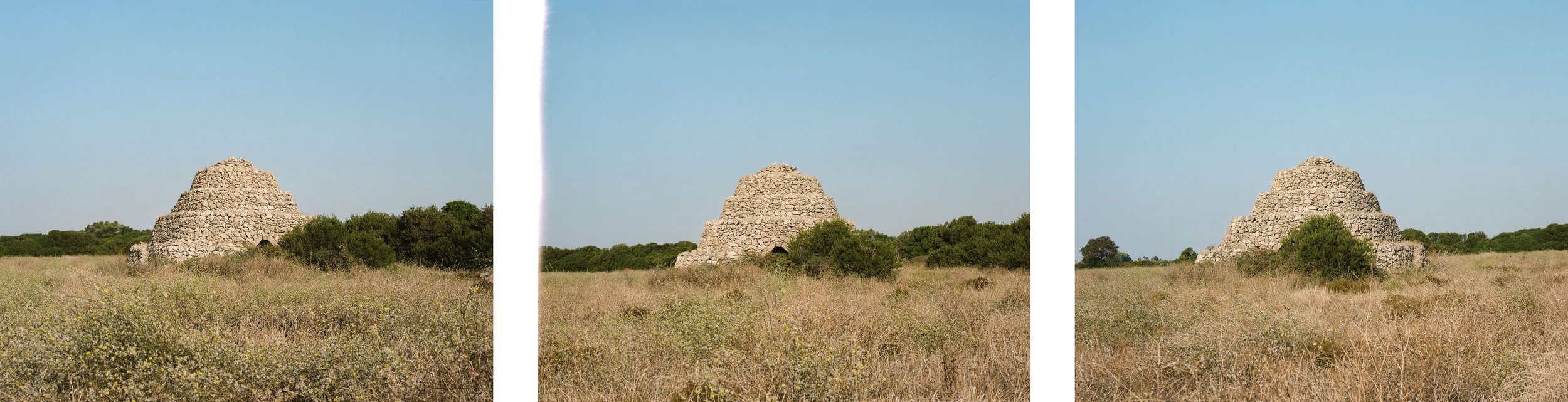
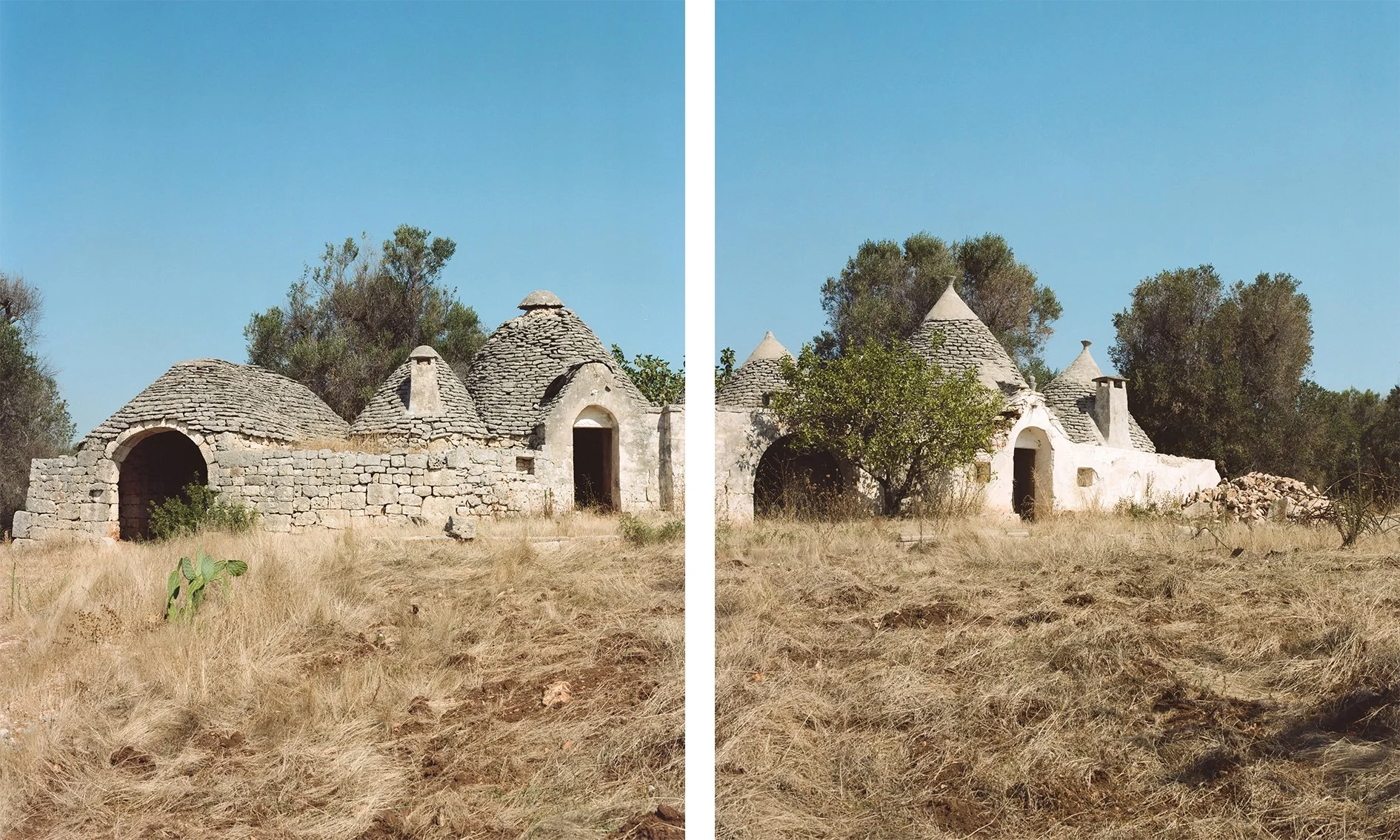
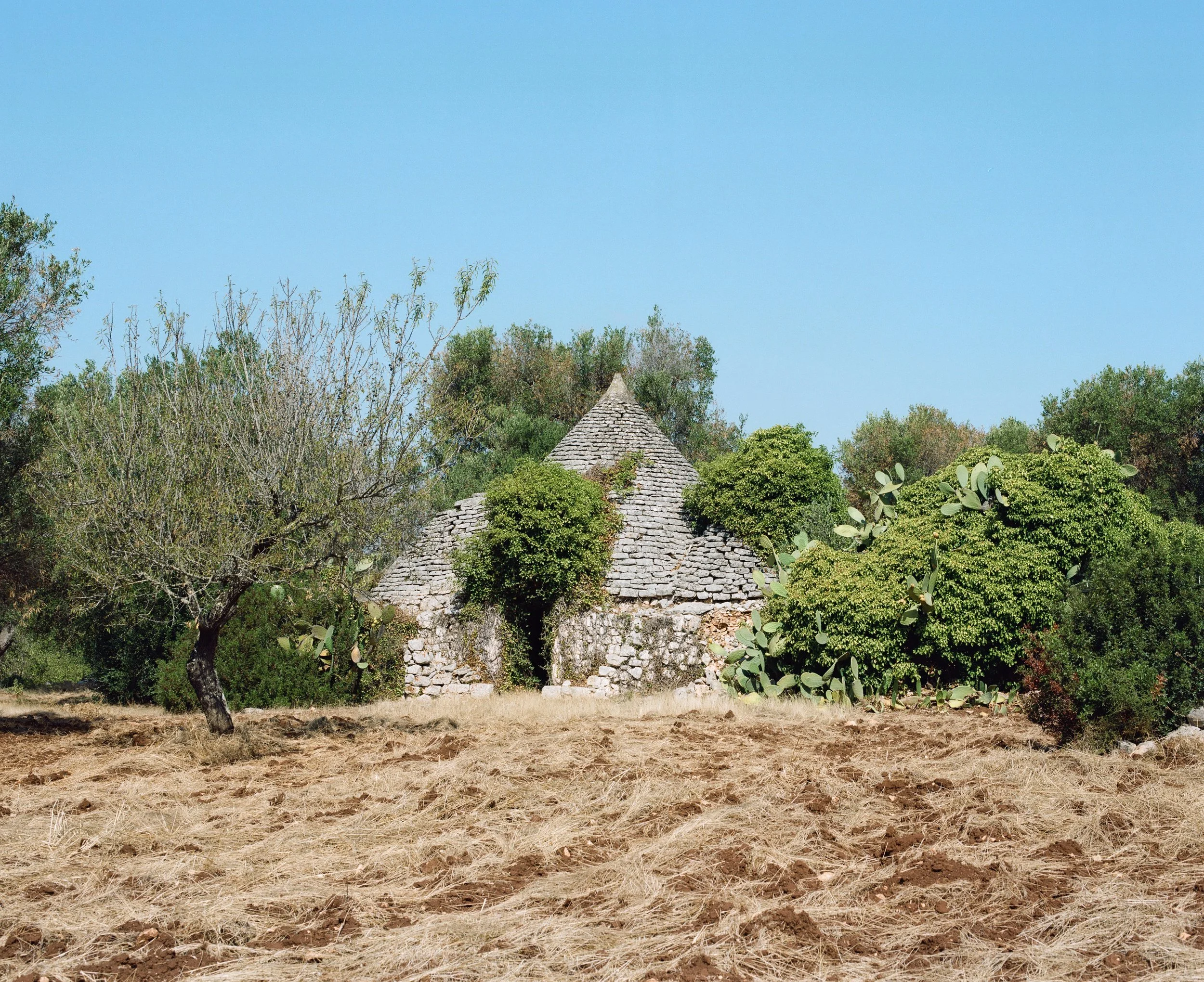
Dry-stone architectural structures were designed and built starting in the year 1000 A.D. by Apulian farmers through a delicate balance of materials, without the use of any mortar or supports. These structures are far removed from any particular style, as style is an expression of economic surplus, something completely absent in the areas under examination. Instead, they embody a functional architecture, where every element serves a specific purpose and there is no room for decoration or ornamentation.
These structures were erected using the debris from the tilling of agricultural land. In the work of the hunter-gatherer-builder, the only archetypes at his disposal, such as the tent, the cave, and the hut, are evident. This can be seen in the way the volumes were arranged, in the characterization of solids and voids, and in the design of the entrances.
The various types of rural architecture vary throughout the region, depending on the area in which they were built.